
The Timeless Art of Tai Chi: A Path to Wellness and Community
This month, in the spirit of embracing a holistic approach, we are spotlighting the practice of Tai Chi, as understood by Chris Jones, our Golden Years Tai Chi instructor. Chris has shared this piece, with some notes added from members of her class added.
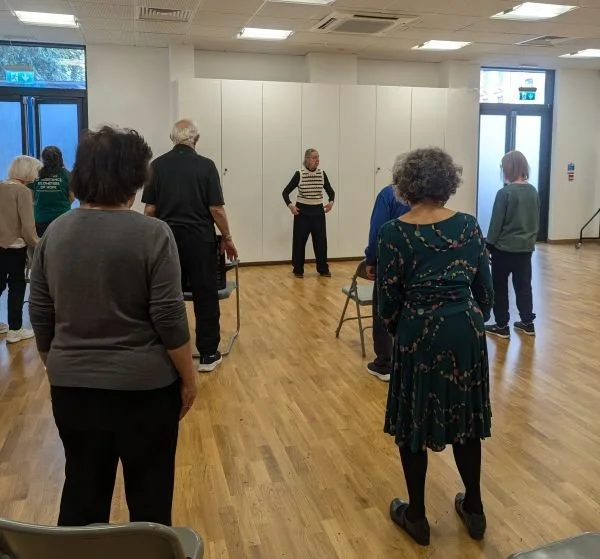
A group of older people stand facing a woman demonstrating a tai chi pose. Some people stand with chairs in front of them.
Tai Chi, (Tai Ji Quan) often described as "meditation in motion," is more than just a form of exercise. Originating in ancient China as a martial art and health exercise system that embraced cultural ideas of Traditional Chinese Medicine and Daoist philosophy, Tai Chi has now been recognised in the Western world as a practice that can promote physical and mental well-being. The foundation training harmonizes body movements with breathing and mindfulness, creating a gentle flow that nurtures both body and mind. As more people seek holistic approaches to health, Tai Chi's benefits continue to garner attention for their powerful, yet understated, impact.
The Benefits of Practicing Tai Chi
Tai Chi's health benefits are multifaceted, impacting physical, mental, and emotional wellness. Below, we delve into the key areas where Tai Chi has demonstrated significant benefits:
1. Physical Health Improvements
Balance and Stability: Tai Chi's slow, deliberate movements enhance balance and coordination. This is particularly beneficial for older adults, as it can help prevent falls and improve overall stability. Improving proprioception, or the body's sense of position and movement (Wayne et al., 2014).
Flexibility and Strength: Despite its gentle nature, it emphasizes both lower body and core muscles through its fluid transitions and stances.
Cardiovascular Health: Studies have indicated that Tai Chi can be beneficial for heart health. By gently elevating the heart rate and improving circulation, it serves as an effective low-impact cardiovascular exercise (Zheng et al., 2015).
Golden Years member Jill shared that she noticed improvements to her balance and coordination from attending Chris’ class.
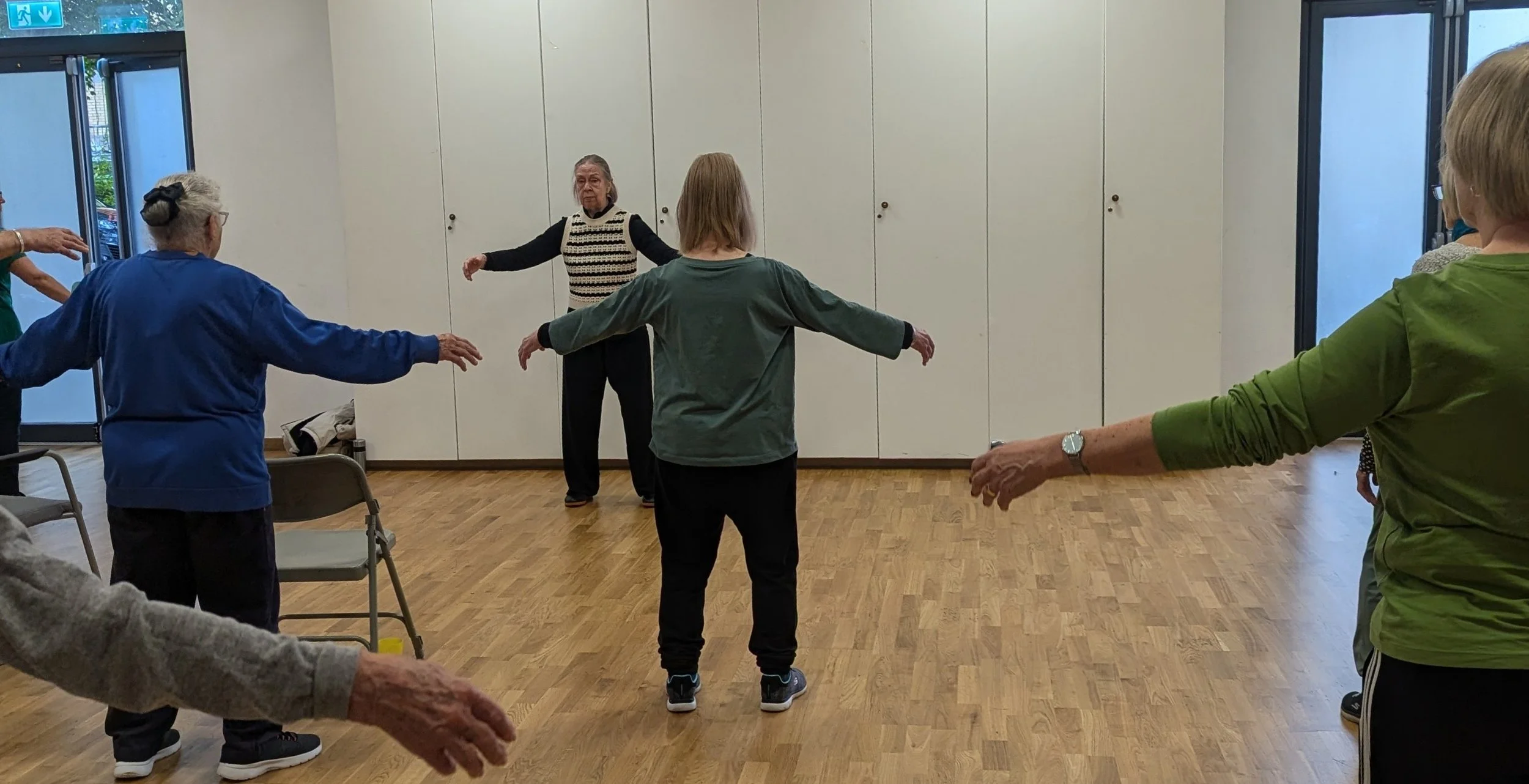
An older woman demonstrates a pose with arms out to her side. People facing her hold their arms out in the same pose.
2. Mental and Emotional Wellness
Stress Reduction: Tai Chi's meditative movements encourage mindfulness and deep breathing, which reduces stress levels and promotes relaxation.
Enhanced Cognitive Function: Engaging in Tai Chi has been linked to improved cognitive performance, particularly in older adults. The coordination of complex movements stimulates brain activity, which may delay cognitive decline and improve memory retention (Lam et al., 2012).
Anxiety and Depression: The gentle, meditative practice of Tai Chi fosters a sense of calm, contributing to better emotional health. Many practitioners report lower levels of anxiety and depression after regular practice, with these benefits being attributed to the discipline's combination of physical exercise, focused attention, and mindful breathing (Wang et al., 2010).
Golden Years member Kathy noted that she feels very relaxed after attending these sessions: it is grounding practice that helps her appreciate the moment that she is in.
The Art and Science of Tai Chi
Tai Chi’s benefits are supported not only by anecdotal evidence but by a growing body of scientific research. Clinical studies have documented the effectiveness of Tai Chi in managing chronic pain, reducing symptoms of arthritis, and even supporting rehabilitation for conditions such as Parkinson’s disease (Song et al., 2018).

Two women stand on either of a chair. One holds the wrist of the other, adjusting her posture
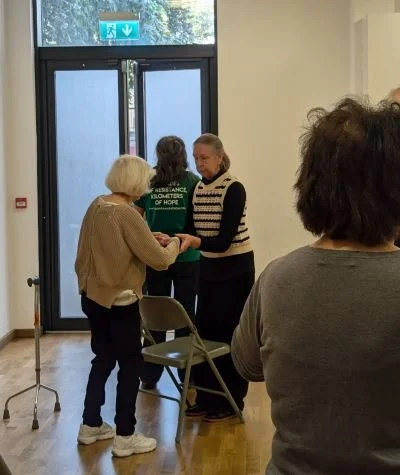
Two women stand on either of a chair. One holds the wrist of the other, adjusting her posture
Why Tai Chi Matters Now More Than Ever
In an age marked by rapid technological advancements and fast-paced lifestyles, practices like Tai Chi remind us of the importance of slowing down.
Chris recognises this need and provides a space for people to disconnect from the rush of life and reconnect with themselves. These classes not only teach Tai Chi but inspire a shift in perspective — an understanding that well-being is nurtured through consistent, mindful practices that align body, mind, and spirit.
Final Thoughts: Finding Your Path
For those curious about Tai Chi, the best way to understand its benefits is to experience it first-hand. Joining a community with an experienced instructor, like Chris’s class at the St Pancras Community Association, can be the perfect introduction to this ancient art. Whether practiced in a group setting or as a personal journey, Tai Chi has the potential to enhance well-being in countless ways. From fostering physical strength and mental resilience to building a supportive community, Tai Chi proves that sometimes the simplest practices can bring about the most profound changes.
In a world that often prizes speed and productivity, the quiet, deliberate movements of Tai Chi offer a powerful reminder that true strength lies in balance.
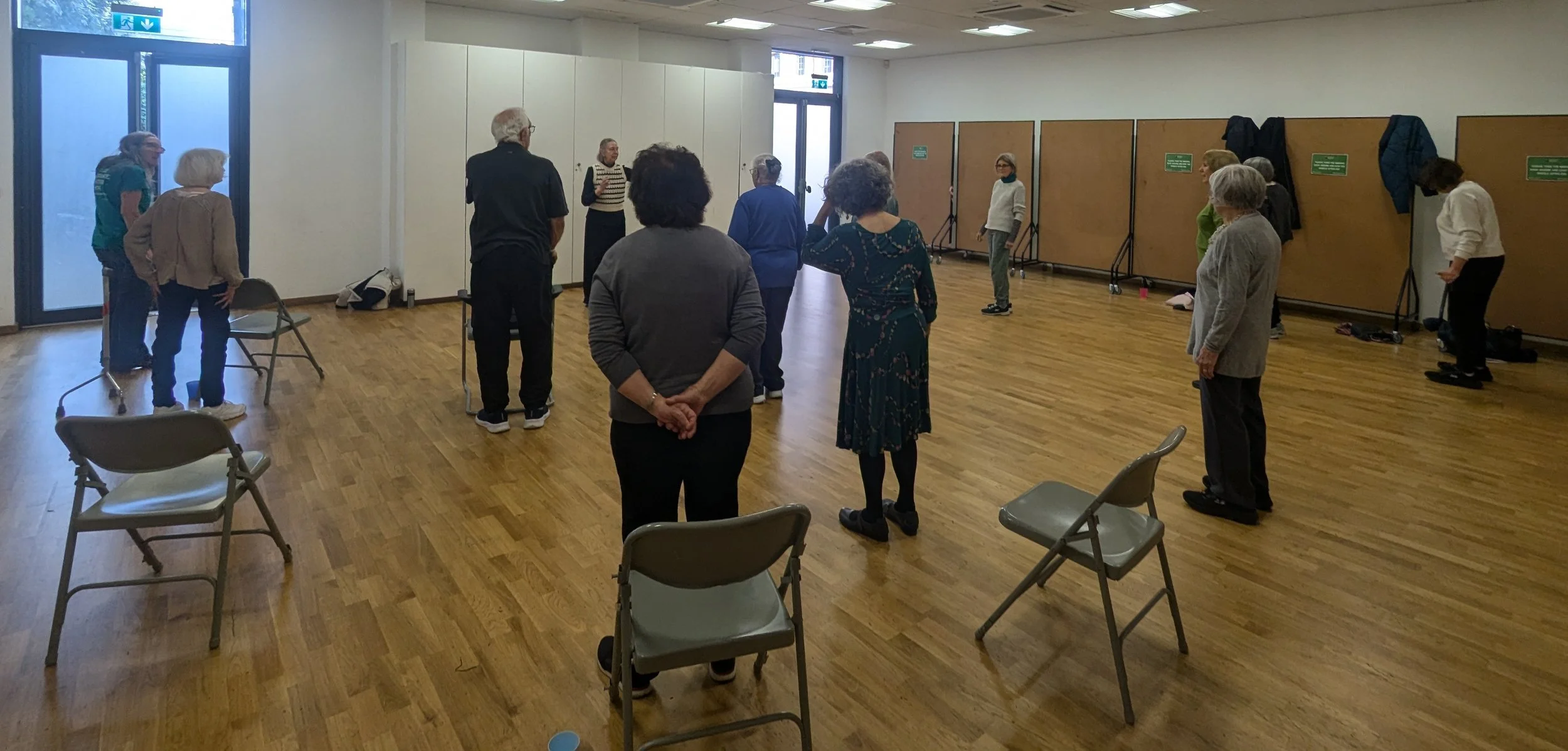
A group of older people stand facing a woman demonstrating a tai chi pose. Some people stand with chairs in front of or behind them.
Resources and References
Taijicircle.com (Shifu Liu Quanjun classes at Taiji Circle Lucky Dragon)
Legacytaijicircle.com (Tai Ji Circle history and information)
Livingtaichi.co.uk (Chris’s classes for seniors)
Thank you to Chris for this special Spotlight on her craft and our Golden Years members for sharing their experiences!
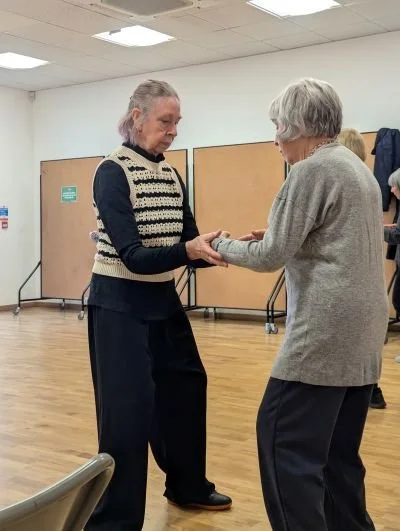
Two women stand on either of a chair. One holds the wrist of the other, adjusting her posture
